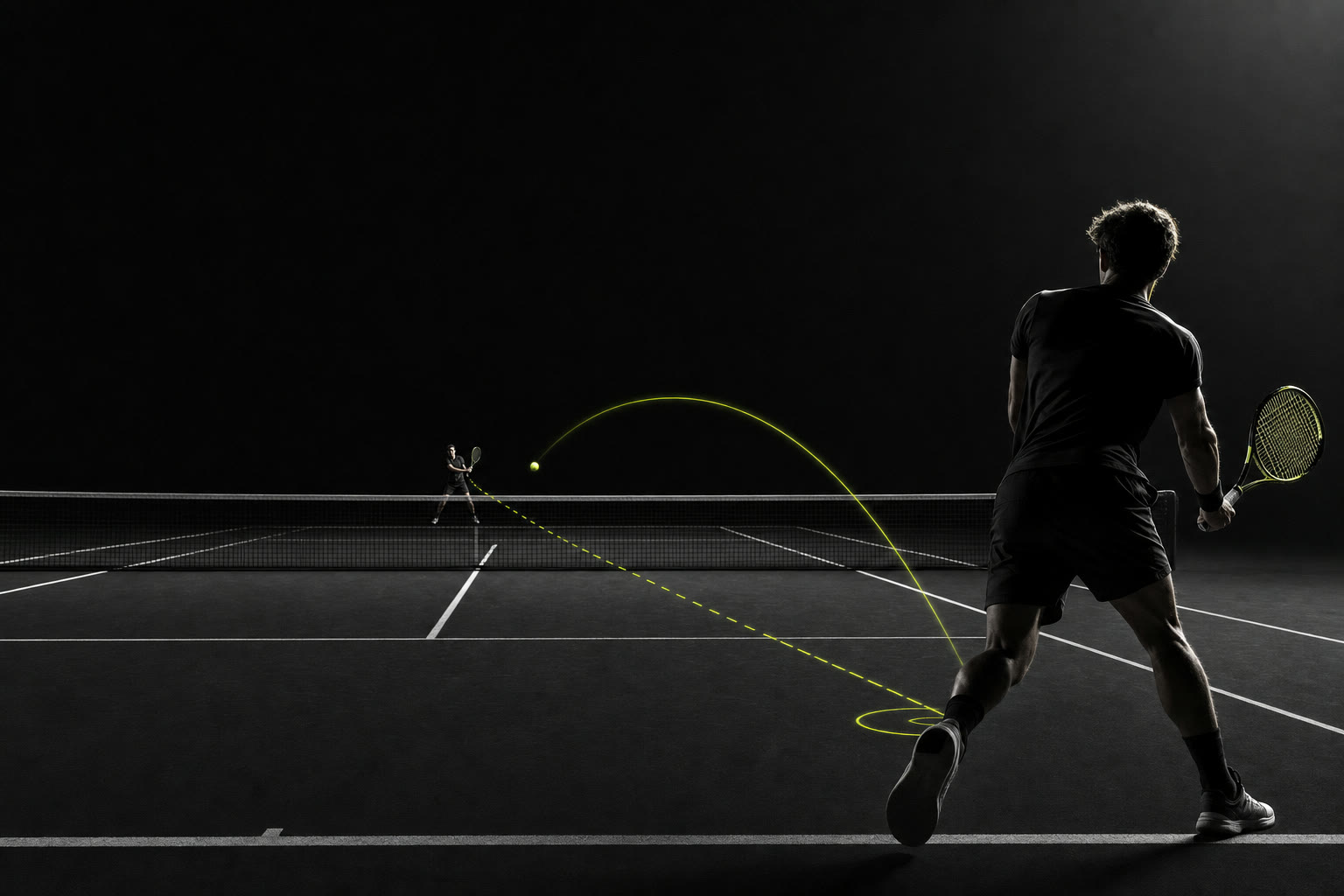
Pros don't try harder.They choose better.
Hit harder. Get there first. Win the big points.
The free lesson: 20 minutes, no account.Six tracks. The whole player.
Four lessons each, in motion and 3D, with a court card for every lesson and games to play. Strike is open now; the rest open week by week until Thu 19 Nov.


Play first.


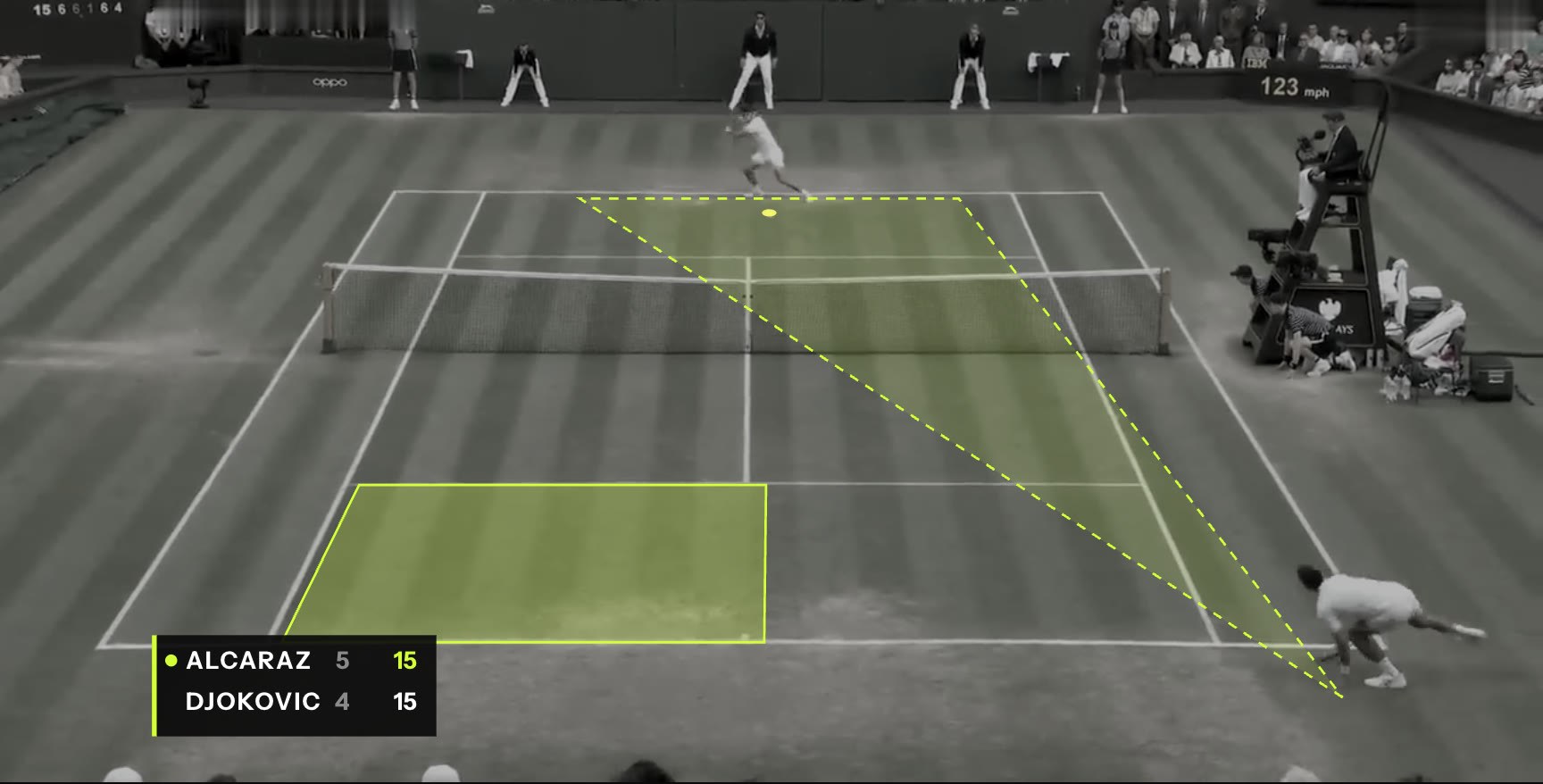
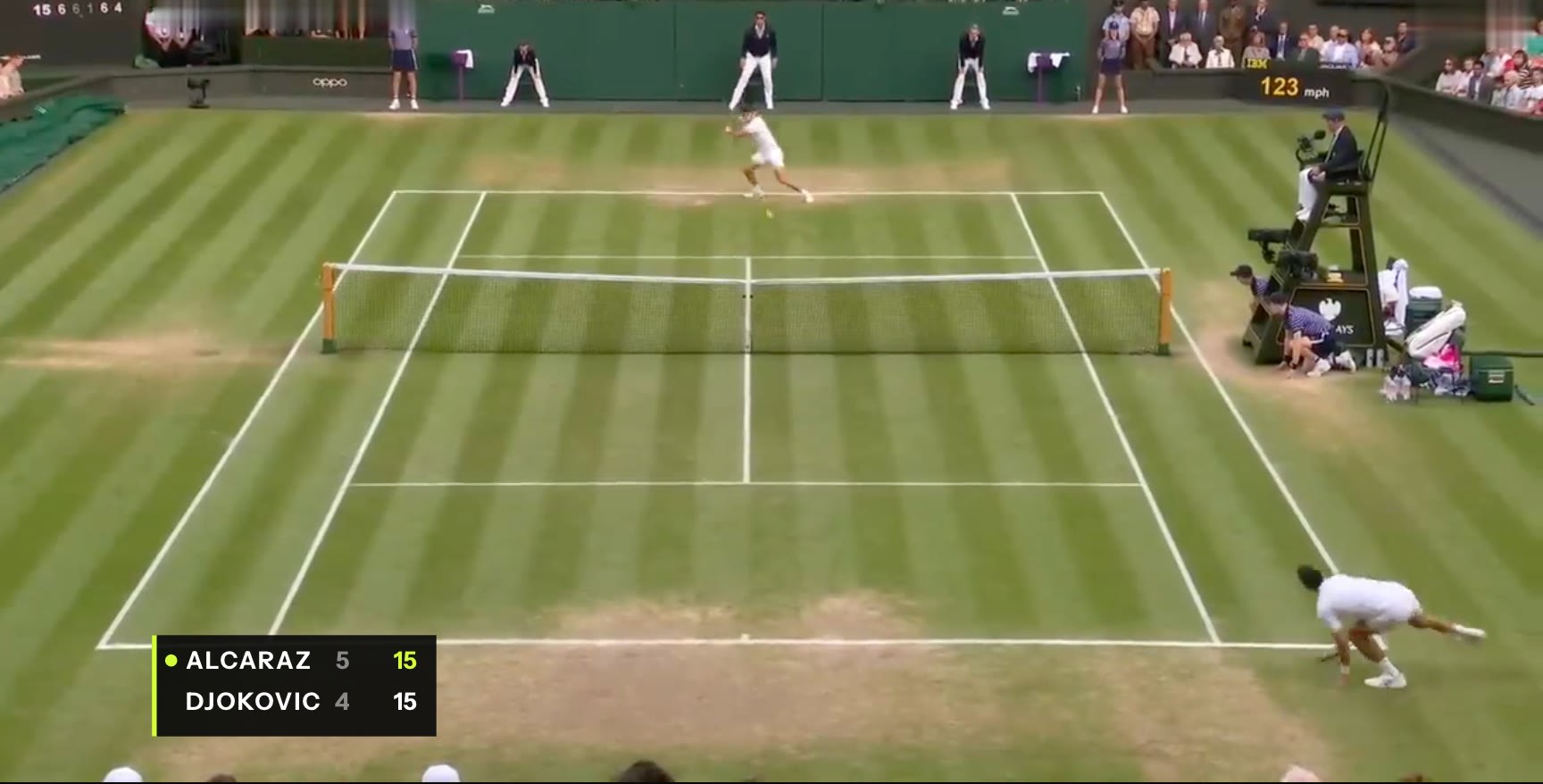
One point. Seen the way he played it.
Wimbledon final, fifth set, 5–4. Drag across: the wide serve has pulled Djokovic off the court, and the open court for Alcaraz's next ball is already there.
 1The point starts before the tossThe four-phase reset
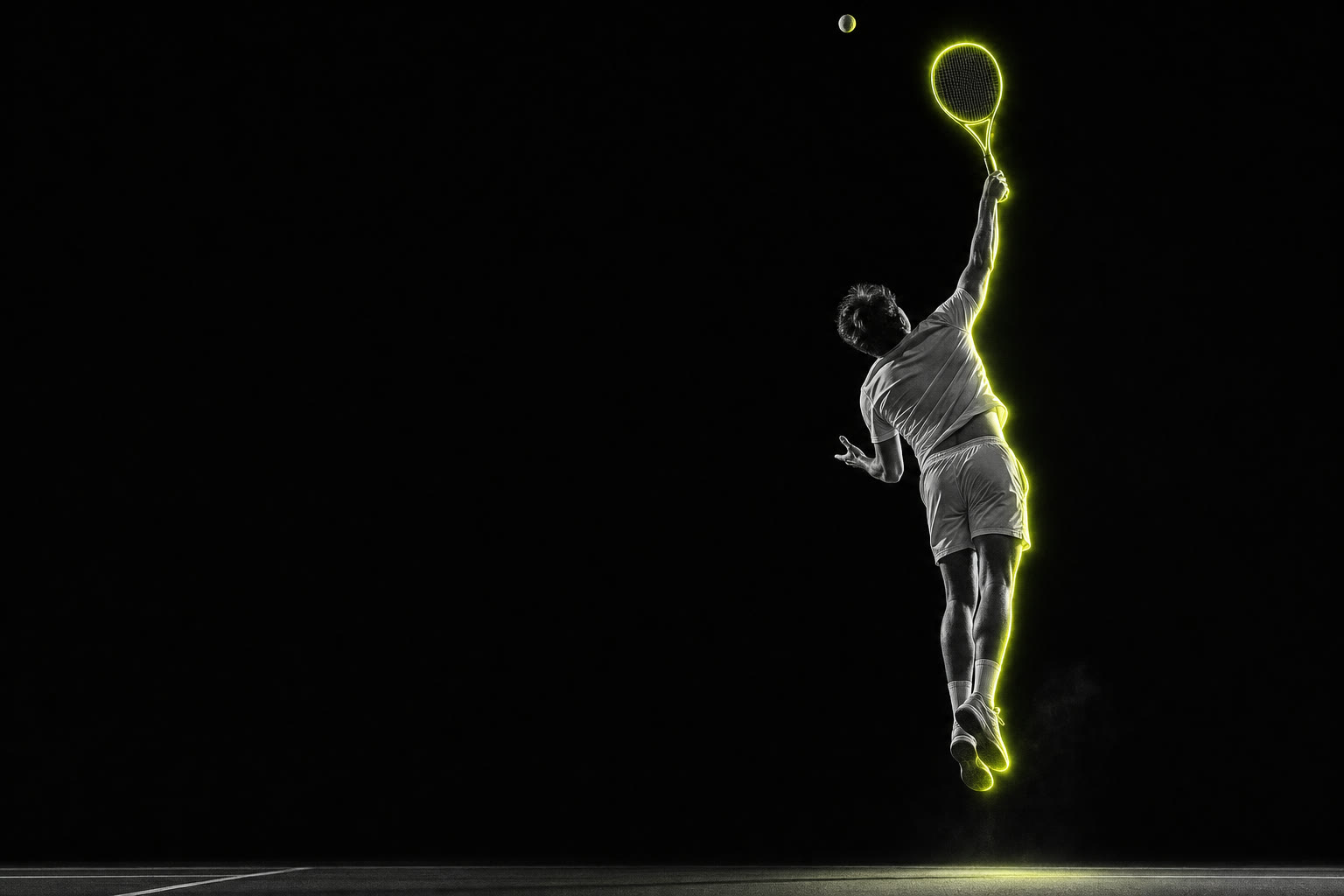 2The arm is lastKneel, stand, launch
 3You can't wait and reactSplit and call
 4The shot after the serve winsThe serve +1 ladder
 5Four millisecondsHit and freeze
 6Recover to their optionsThe moving cone
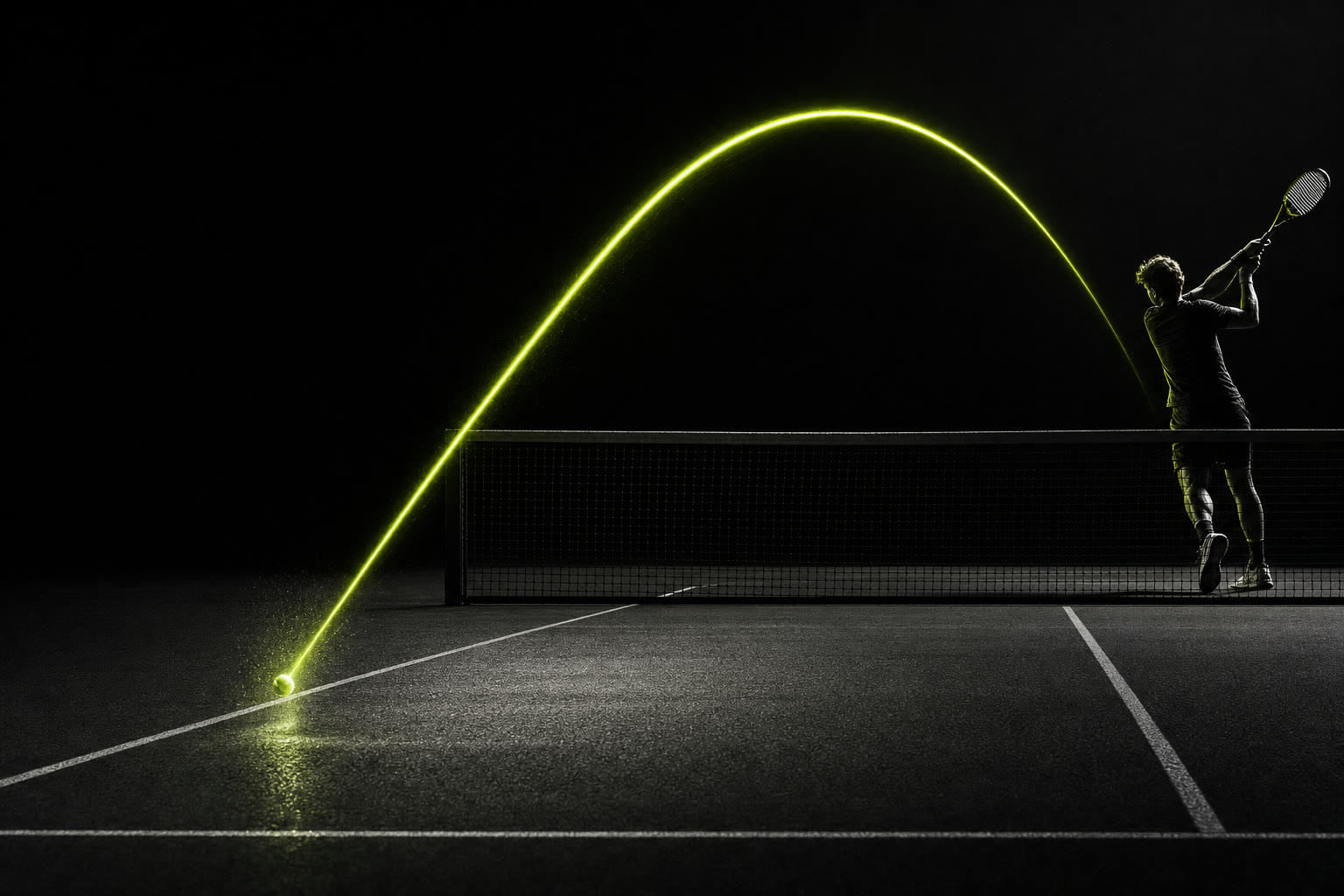 7Spin buys marginThe window drill
Meet it
in front.
Tap as the ball bounces. Early, and the face is closing: it pulls wide. Late, and it sails long. In front of the hip, it goes deep.
A model of the principle, not a physics sim.

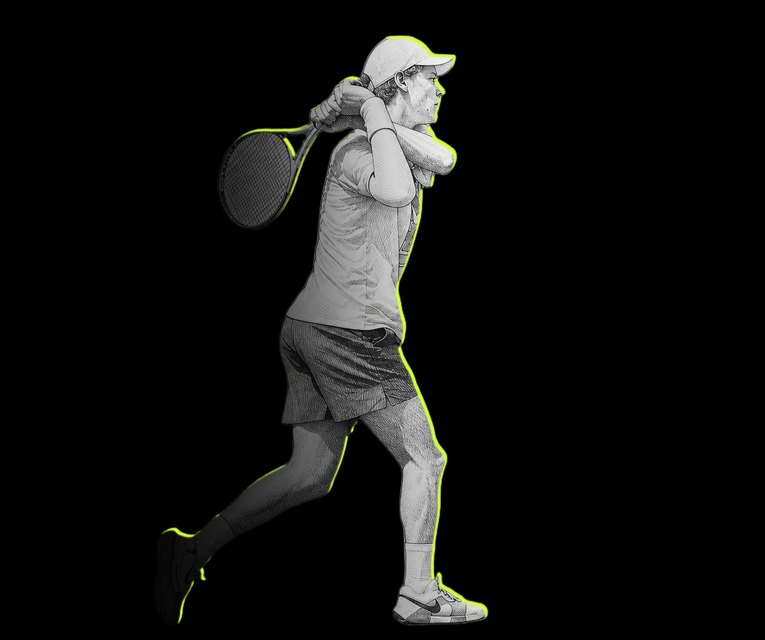
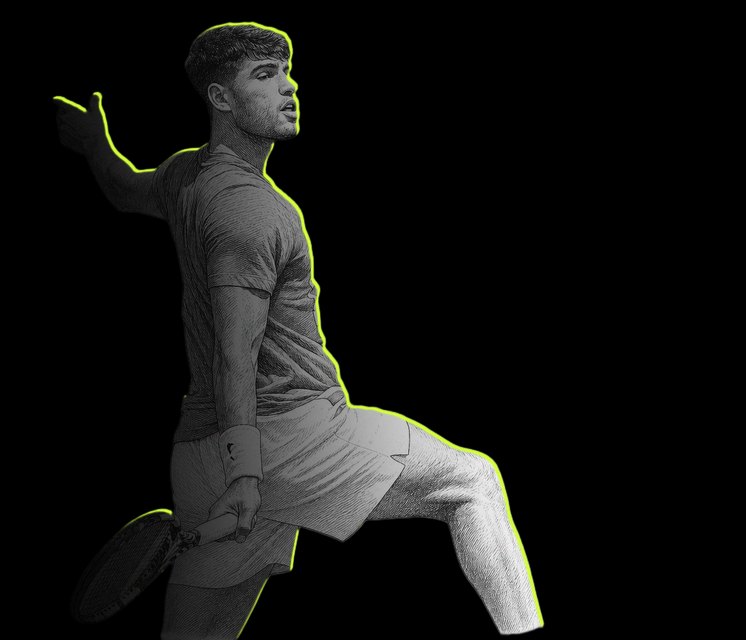
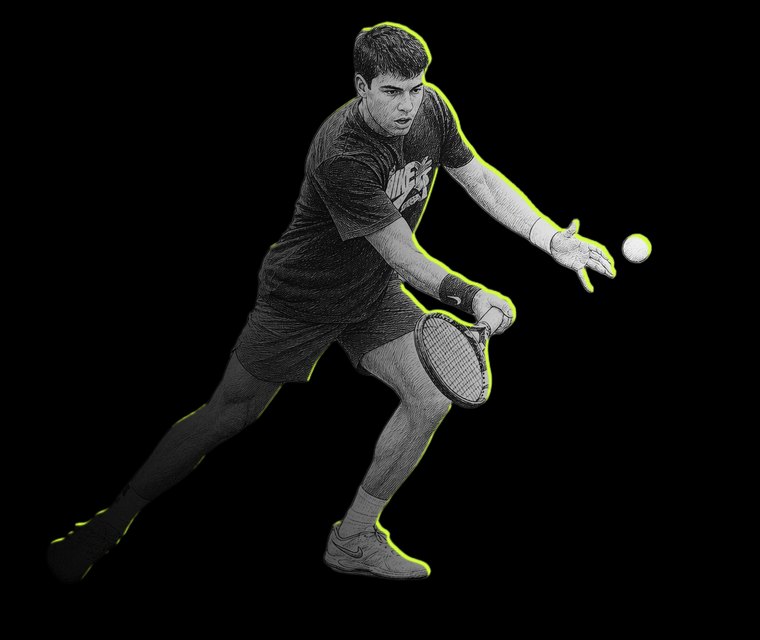
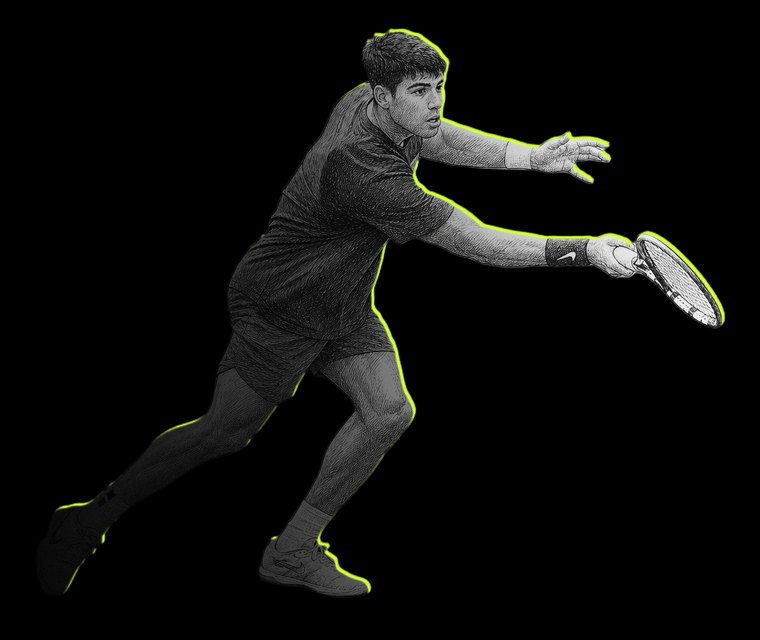
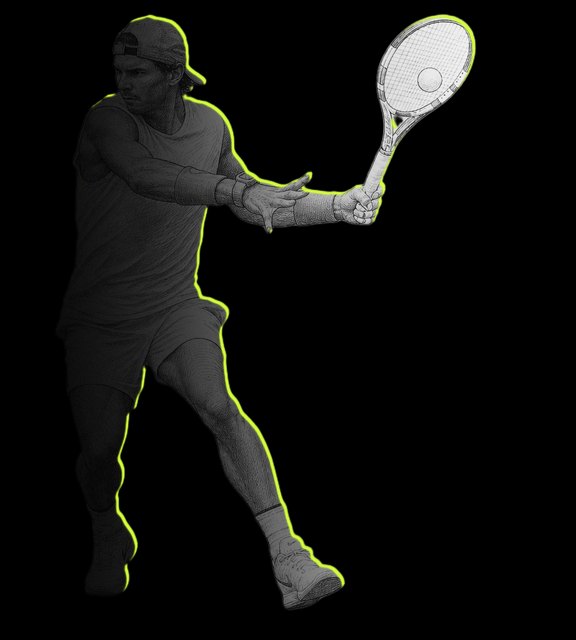
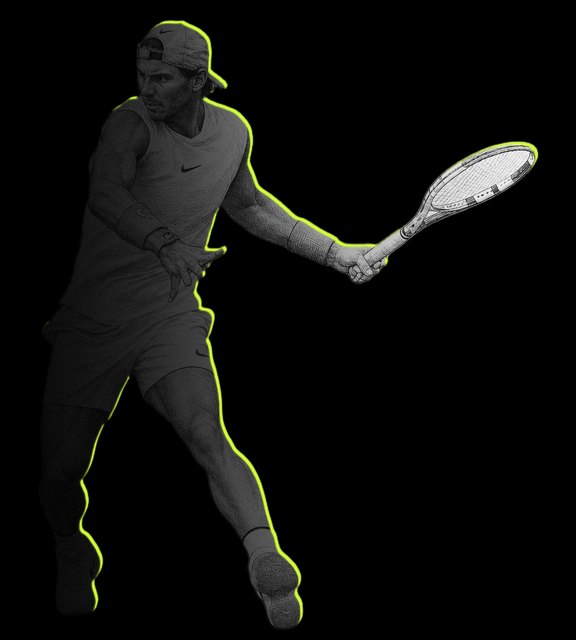
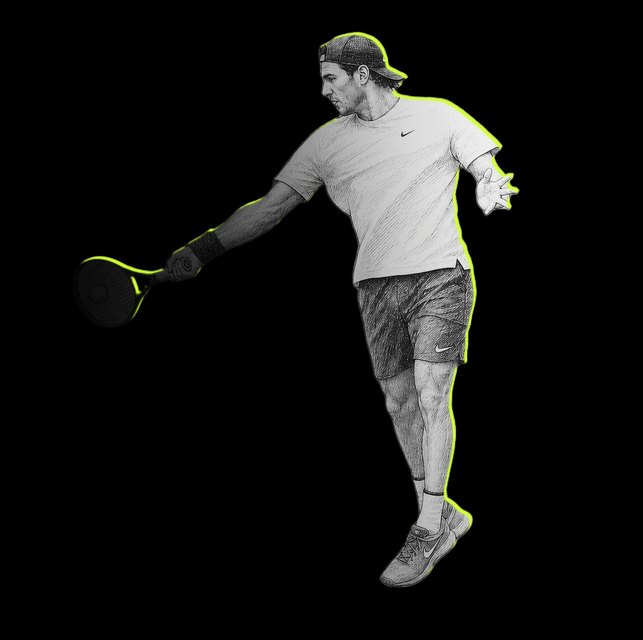
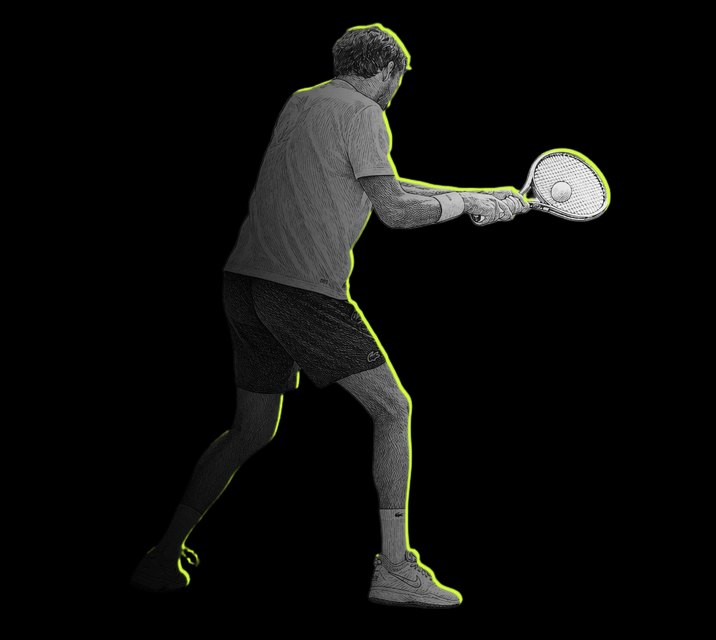
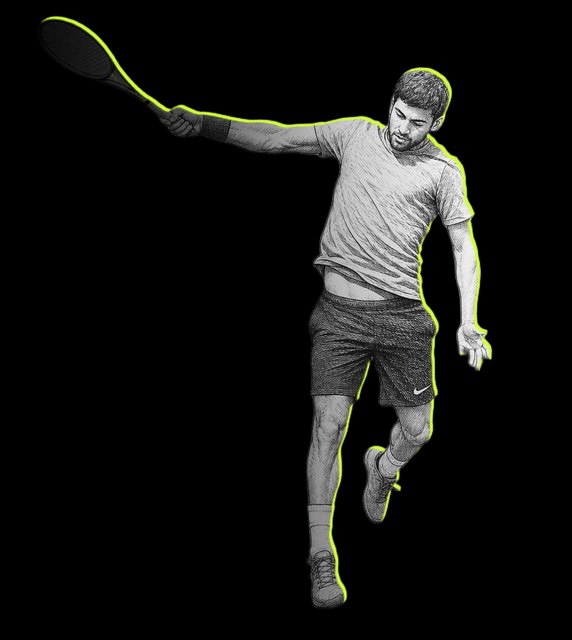
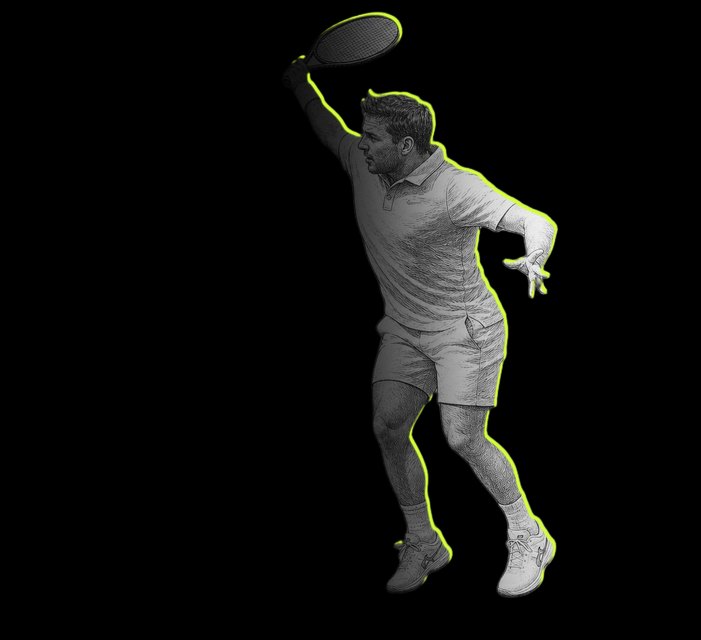
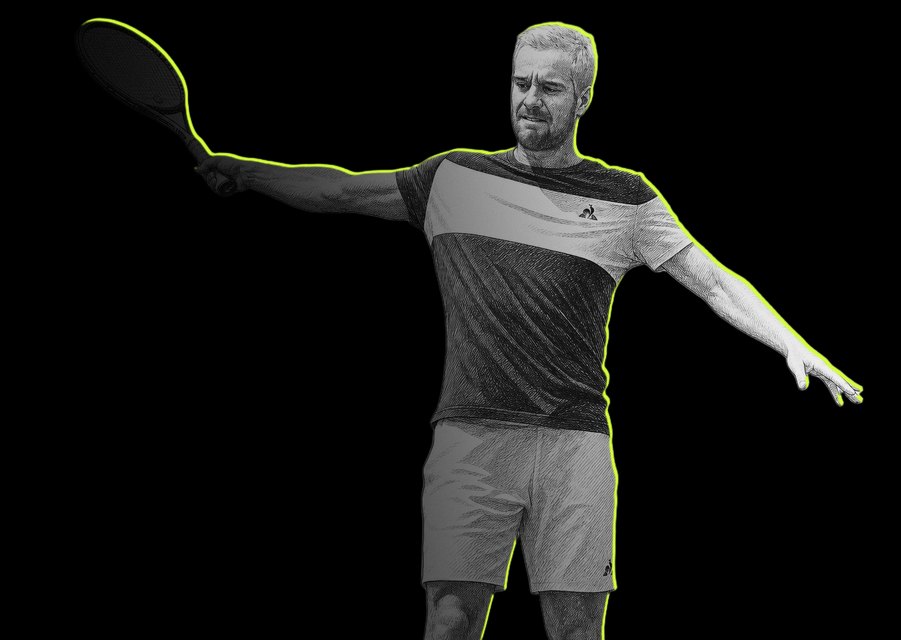
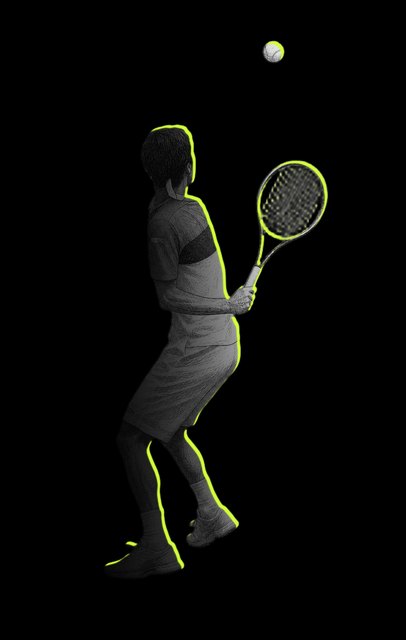
The pros, traced frame by frame.
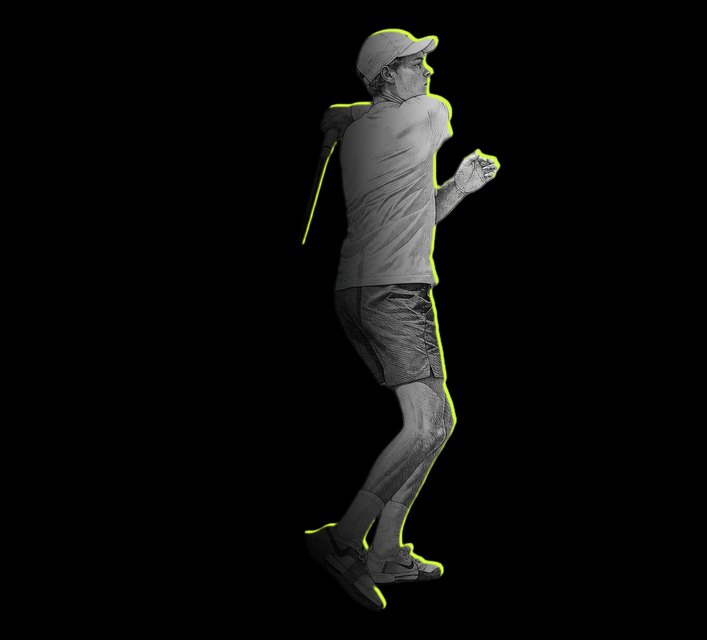
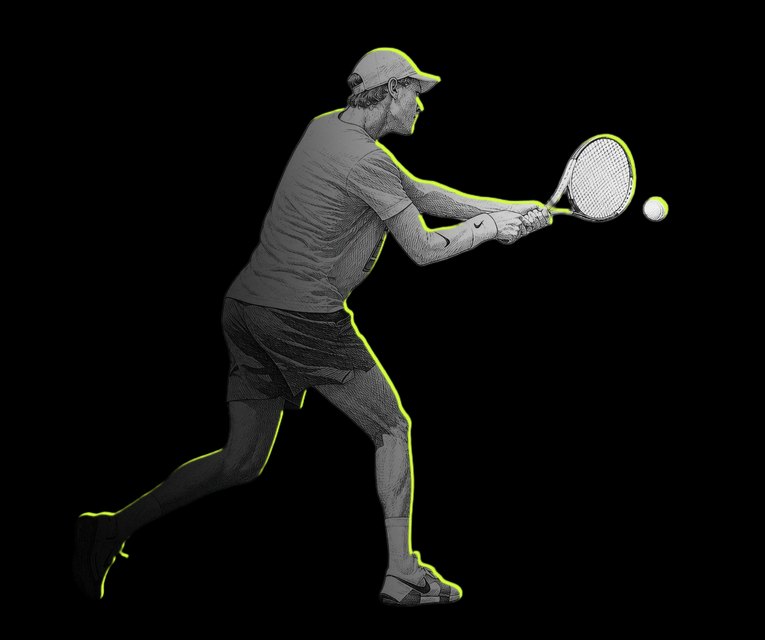
22 strokes traced from real footage, eight instants at a time, each beside the measured numbers and their sources.



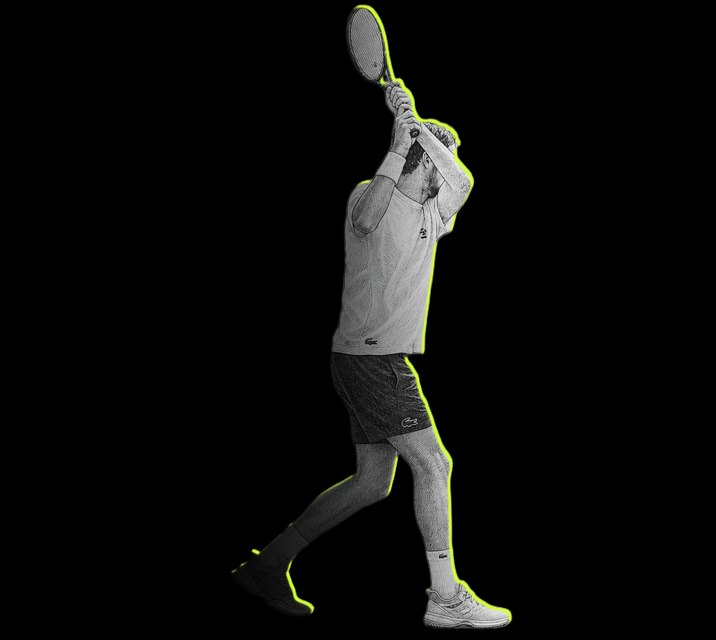
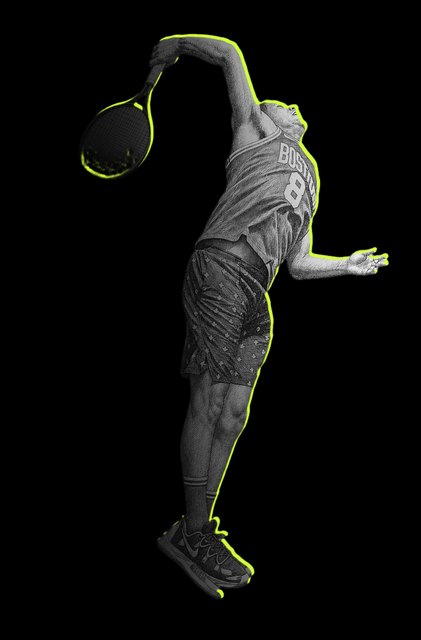

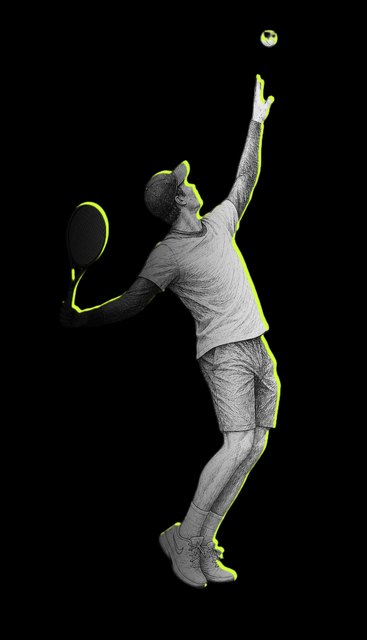
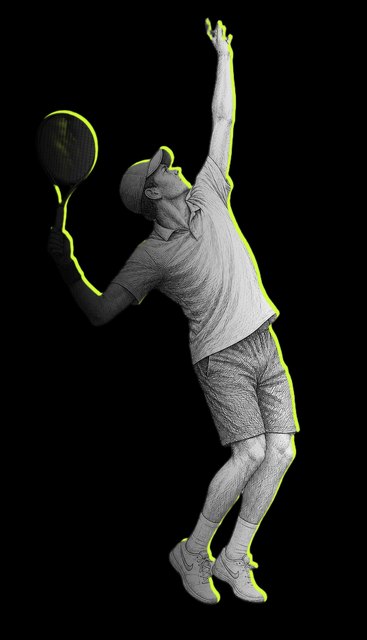
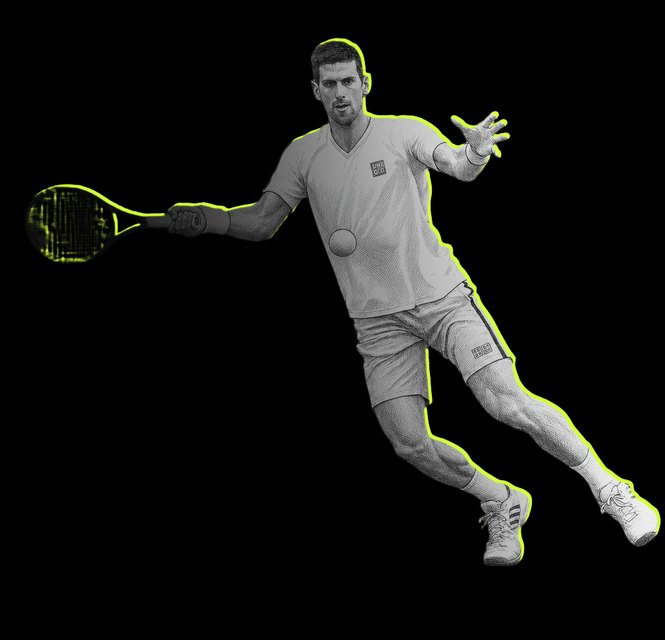

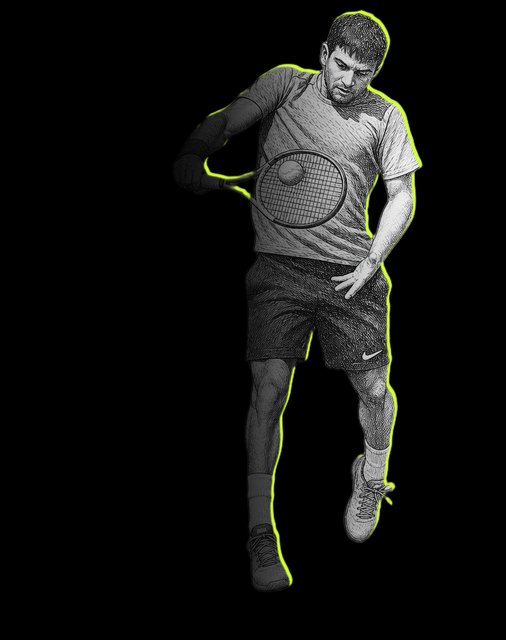
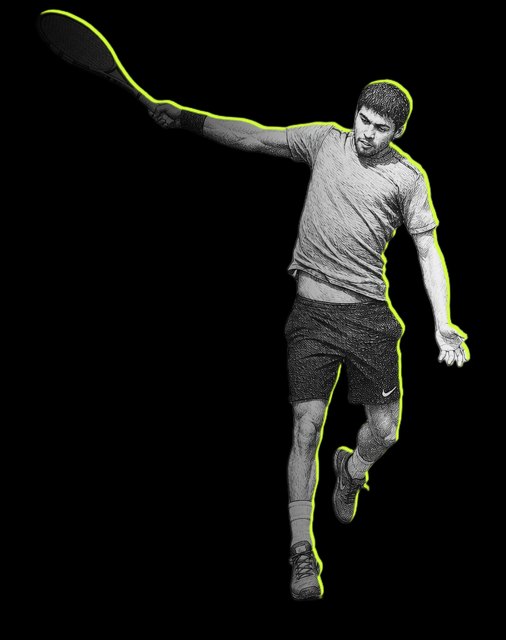
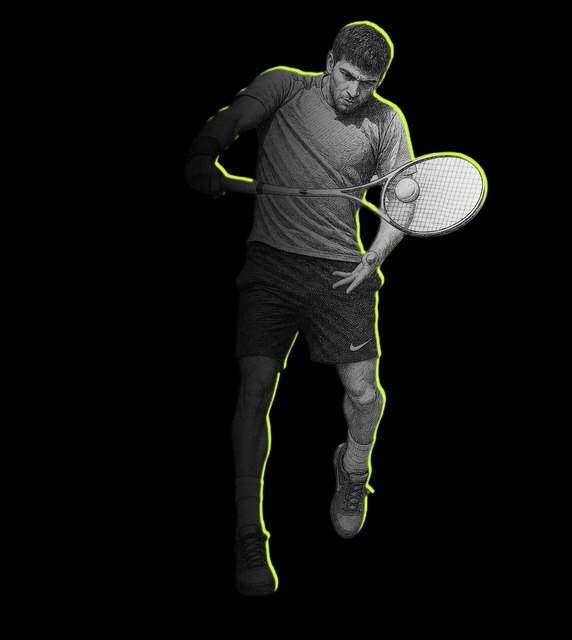


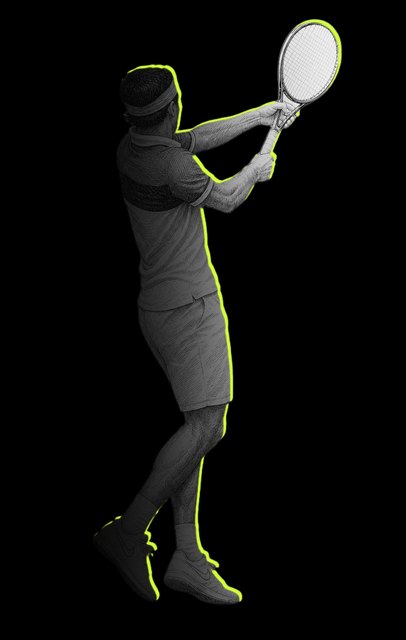
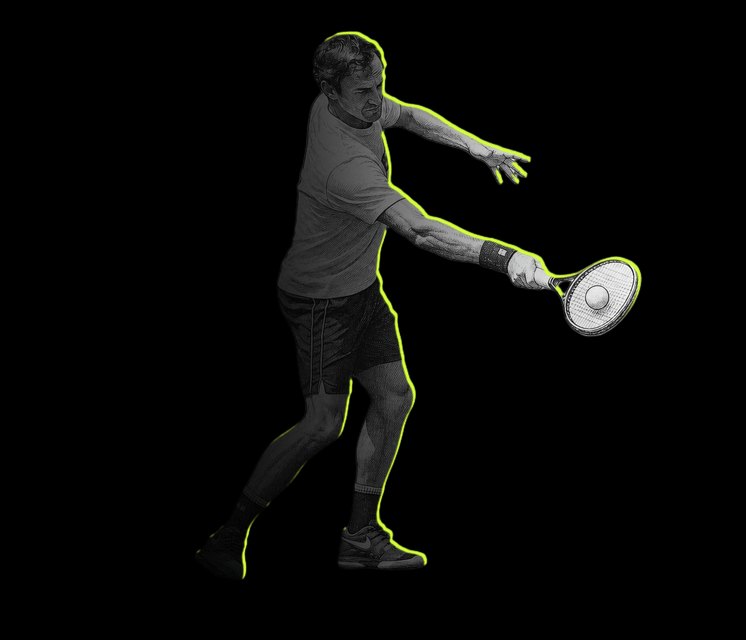
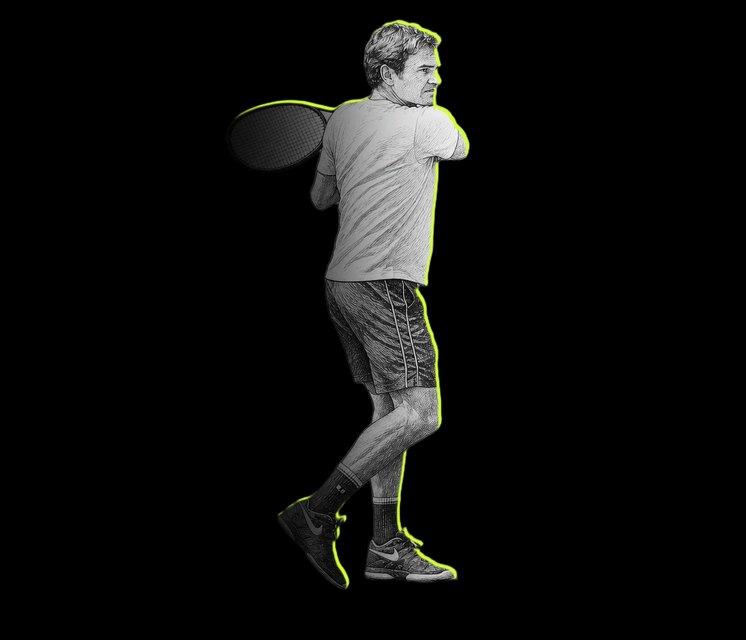
See it. Get it.
Play it.
- 01See itA real pro stroke, traced frame by frame, with the choice drawn on it: the target, the margin, the moment.
- 02Get itA 3D model you move yourself that shows why it works, and one line to say to yourself on court.
- 03Play itA game to feel it, then a court card for your next session: one drill, one number to beat.
Straight answers, with the sources.
Every guide gives the short answer first, then the mechanism, the sources, a drill with a number to beat and the faults that stop club players.
Join the
Academy.
- 24 lessons across 6 tracks
- All 14 games
- A court card for every lesson
- Every track as it opens, included
no subscription
The price goes to $129 when all six tracks are open. Join now and you pay $79 once, for everything, including every track that opens later.
Join the Academy · $79Not yet? Try a free lessonQuestions
What do I get?
Dominating Tennis Academy, Season One: six tracks of four lessons, each with a court card for your next session, and every game on the shelf. Strike is open now. Serve and return opens Thu 29 Oct, Move and react Thu 5 Nov, Play the point and Mind Thu 12 Nov, Train Thu 19 Nov. Every track is included.
Is it a subscription?
No. One payment, and every track that opens later is included. You never pay again.
Why is it $79 now?
It's the early-bird price while the tracks open. When all six are open the price goes to $129. Join now at $79 and you keep everything, including every track that opens later.
How is this different from tips on YouTube?
A tip tells you what to do. A lesson shows you why on a real pro stroke, lets you feel it in 3D and in a game, and hands you a drill for court.
Is the free lesson really free?
Yes, all of it: one real pro point, the seven moments that decided it and a drill for each. No account, no card.
What do I need on court?
A basket of balls, two cones, a rope and your phone. Most drills work alone; the rest say so.
Does it work on my phone?
Yes. It runs in the browser, and it's built for the phone you'll have on court.
How do I get back in on another device?
Go to dominatingtennis.com/account and sign in with the email you joined with. No password.